
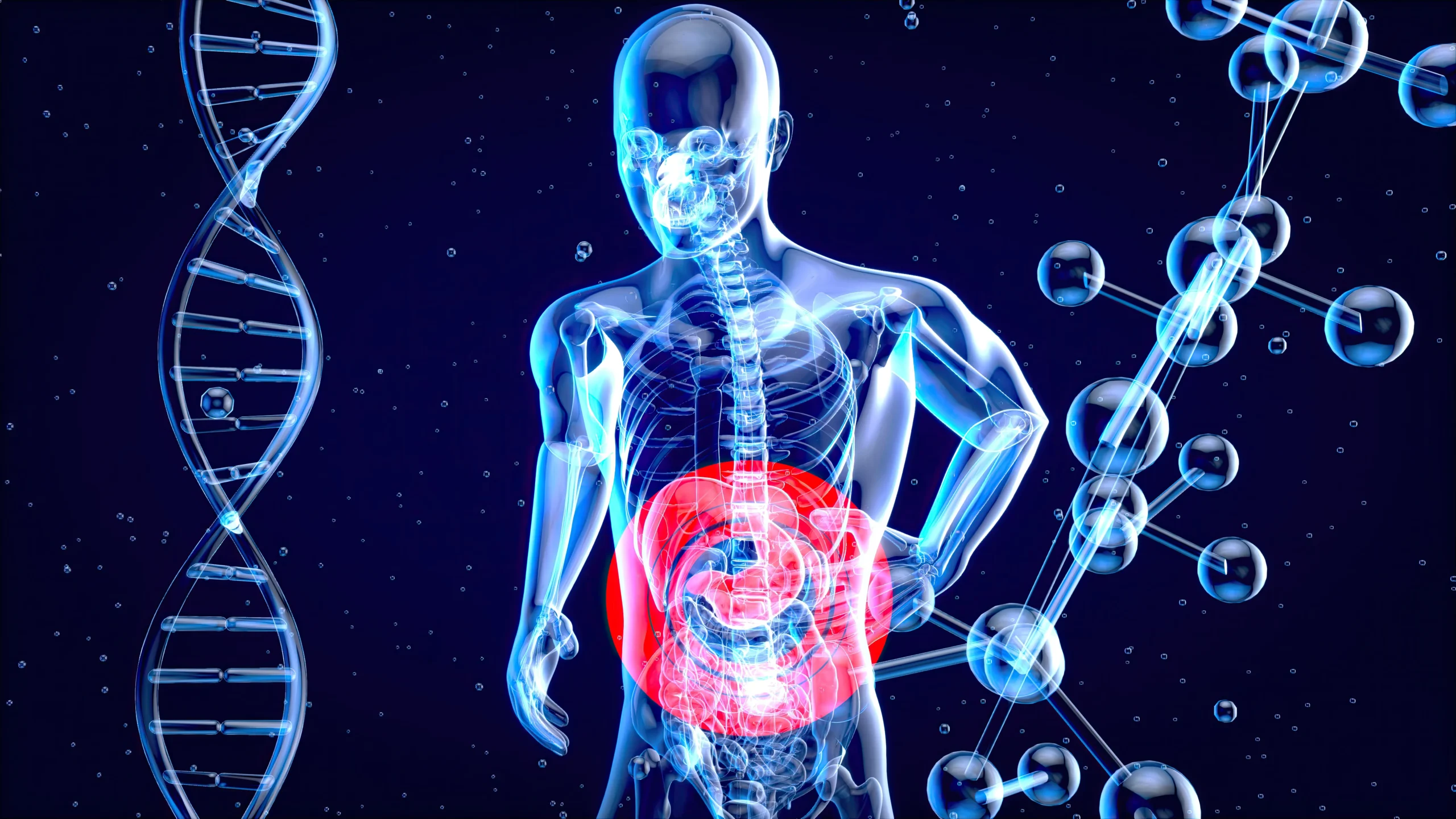
Stomach and intestines represent important organs of the digestive system. They collaborate in the breakdown of food, the absorption of nutrients and excretion of the body waste.
The stomach provides a sort of short-term storage of food. It decomposes food into smaller parts with the help of strong acids and enzymes. It is covered by the stomach lining which shields it against the acidic environment.
The stomach has muscles that combine food with stomach juices. The outcome of this process is a semi-liquid substance that is simpler to be processed within the intestines.
The gut is the primary location of absorption of nutrients. It is huge in surface area which enables nutrients to reach the bloodstream easily. The pancreatic enzymes assist in the digestion of various food types.
The remaining material is absorbed in the large intestine where water and minerals are absorbed. It also contributes towards the development and storage of waste prior to its eradication.
The intestinal beneficial bacteria aid in digestion and health. These microorganisms aid in the degradation of some food materials and the manufacture of vital nutrients.
Formation of gas is a natural outcome of digestion processes in the intestines. It arises when the breakage of food that has not been completely digested is done by bacteria.
It is important to maintain the health of the stomach and intestines so that there is proper digestion. Digestive health is maintained by means of a balanced diet, hydration and physical activity.
Issues with these organs may cause digestive disorders including unease and constipated digestion. Their role will be understood to aid in identifying and avoiding such problems.
On the whole, the stomach and the intestines play a crucial role in digestion and general well-being. With appropriate care and good practices their efficient operation is poss